


How Florida Personal Injury Claims Work: A Complete Guide

How Florida Personal Injury Claims Work: A Complete Guide
Personal injury law serves as a fundamental framework for individuals seeking legal remedies due to harm caused by another party’s negligence. Understanding how personal injury claims operate in Florida is essential for anyone considering legal action following an injury. This guide will unfold the intricate processes involved in filing claims, calculating compensation, and navigating insurance negotiations, which often seem daunting to many claimants. Facing the aftermath of an injury can be overwhelming, but this comprehensive guide aims to clarify the steps and provide essential insights for a successful outcome. Readers will discover the nuances of personal injury eligibility, the step-by-step filing procedure, the intricacies of compensation calculations, the role of insurance companies, the importance of legal representation, and the differences between settlement and litigation.
What Is Personal Injury Law in Florida and Who Can File a Claim?
Personal injury law encompasses various legal claims that arise when an individual’s negligence or wrongful act leads to another person’s injury. In Florida, this law serves to protect the rights of individuals who suffer damages due to accidents, medical malpractice, or intentional harm. Claimants in Florida can include individuals who sustain physical or emotional injury, as well as loved ones of deceased victims who may file wrongful death claims.
Which Injuries Qualify Under Florida Personal Injury Law?
In Florida, injuries that qualify under personal injury law can range from physical injuries, such as fractures and soft tissue damage, to emotional distress and psychological trauma. Additionally, property damage claims may arise when property is harmed as a result of negligent actions. The diverse scope of eligible injuries ensures that many individuals seeking justice can find recourse through legal claims.
Who Are Claimants and Defendants in Florida Injury Cases?
In personal injury cases, the claimant is typically the injured party seeking damages, while the defendant is the individual or entity accused of causing the injury. Claimants can include individuals involved in accidents or incidents where negligence is established. For instance, a person injured in a vehicle accident would be the claimant seeking compensation from the driver at fault. Defendants may also consist of businesses, healthcare providers, or government entities, illustrating the breadth of parties that can be involved in such claims.
How Do You File a Personal Injury Claim in Florida Step-by-Step?
Filing a personal injury claim in Florida is a structured process that involves several critical steps. It is essential for claimants to be methodical to ensure their claims are valid and well-supported.
What Are the Necessary Documents and Procedures to Start a Claim?
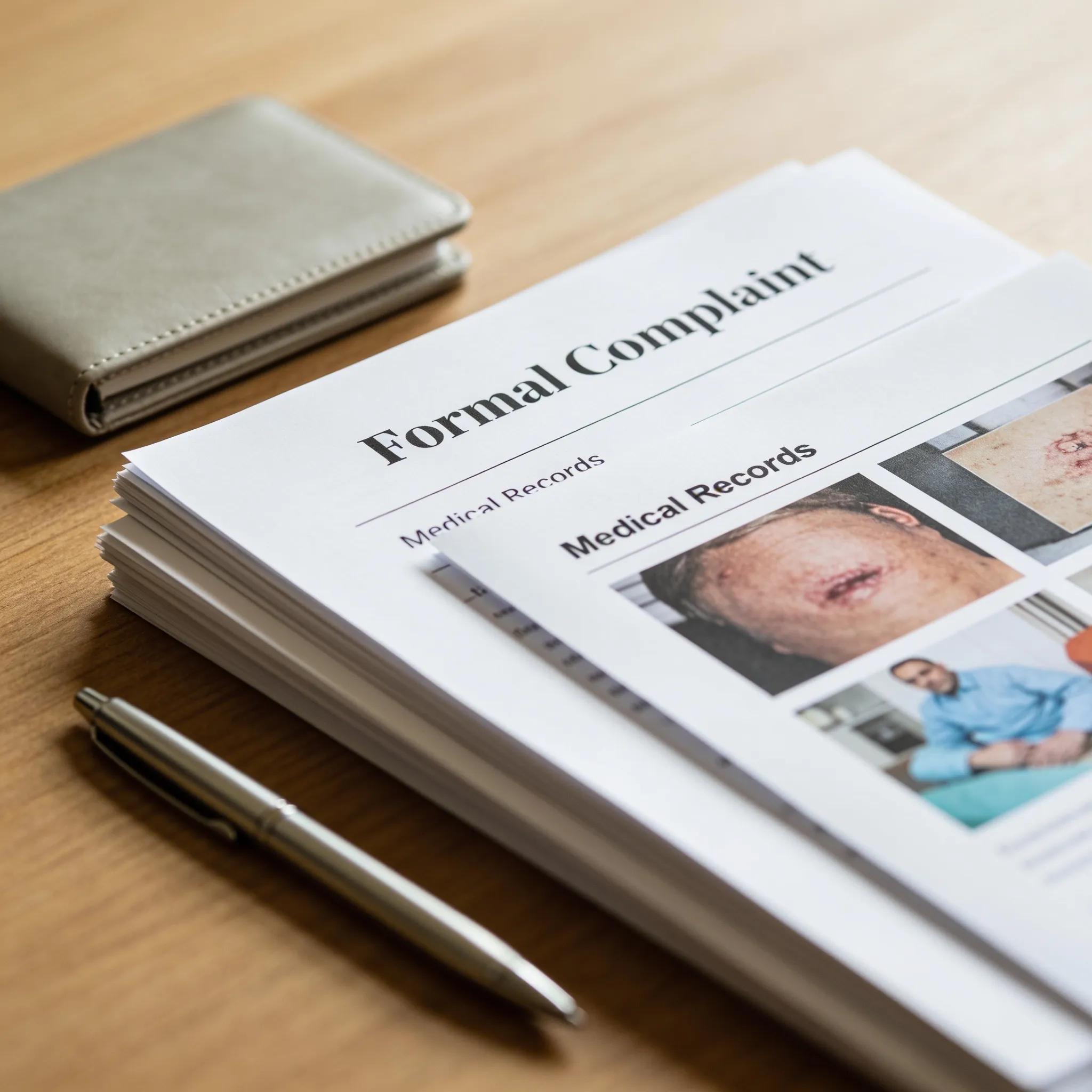
To initiate a personal injury claim, essential documents include a formal complaint outlining the details of the incident, evidence such as photographs, medical records, and witness statements. The claimant must also gather documentation that supports their claim for damages, including medical bills and proof of lost wages. Following the gathering of paperwork, the next step involves filing the complaint with the appropriate court.
How Does the Florida Statute of Limitations Affect Claim Filing?
In Florida, the statute of limitations for personal injury claims is generally four years from the date of the accident or injury. This deadline emphasizes the importance of timely filing, as claims filed after this period may be barred from proceeding in court, thereby forfeiting the right to restitution. Understanding and adhering to this timeline is crucial for maintaining the integrity of your claim.
How Is Compensation Calculated in Florida Personal Injury Claims?
Calculating compensation in personal injury claims is a complex task that involves assessing both economic and non-economic damages. The total compensation amount often reflects the extent of injuries and how they have affected the victim’s life.
What Types of Damages Can Be Recovered in Florida Injury Cases?
In Florida, claimants can typically recover two main types of damages: economic and non-economic. Economic damages encompass quantifiable losses, including medical expenses, rehabilitation costs, and lost wages. Non-economic damages account for intangible losses, such as pain and suffering, emotional distress, and loss of enjoyment of life. Punitive damages may also be awarded in certain cases to penalize parties for gross negligence or intentional misconduct.
How Do Florida Laws Influence Damage Amounts and Settlements?
Florida’s regulations significantly impact how damages are calculated and awarded. For example, the state follows a comparative negligence rule, meaning that if a claimant is found partially at fault for their injuries, their compensation may be reduced proportionally. Moreover, Florida has caps on certain types of damages, affecting the overall settlement amounts and making it essential for claimants to understand the legal landscape influencing their cases.
How Do Insurance Companies Handle Florida Personal Injury Claims?
Insurance companies play a pivotal role in personal injury claims, often influencing the outcomes through their settlement offers and negotiation techniques.
What Is the Role of Insurance in Settling Injury Claims?
Insurance companies serve to protect the financial interests of their policyholders. In the context of personal injury, they handle claims by assessing the incident, determining liability, and negotiating settlements with claimants. Their objective often involves minimizing payouts, leading to tactics that can complicate the negotiation process.
How Can You Negotiate with Florida Insurance Companies Effectively?

Successfully negotiating with Florida insurance companies involves preparation and strategic communication. Claimants should present comprehensive documentation supporting their claims, remain aware of the value of their damages, and be prepared to counter low initial offers confidently. Engaging in negotiations professionally and assertively can lead to more favorable settlements.
When and Why Should You Hire a Personal Injury Lawyer in Florida?
Understanding when to seek legal representation is crucial for maximizing the chances of a successful claim outcome. While individuals can navigate claims on their own, certain circumstances demand professional legal advice.
What Are the Benefits of Lawyer Representation in Injury Claims?
Hiring a personal injury lawyer can provide numerous benefits, including expertise in navigating complex legal proceedings, negotiating effectively with insurance companies, and maximizing compensation recoverable. A lawyer’s knowledge of personal injury law ensures that claimants do not overlook vital aspects of their case, such as statutes of limitations and evidential requirements.
How to Choose the Right Florida Personal Injury Lawyer?
Selecting the right personal injury lawyer involves assessing various factors. Potential clients should consider a lawyer’s experience in similar cases, track record of settlements or verdicts, and client reviews. Ensuring good communication and trust in the chosen lawyer is paramount to navigating the often stressful process of personal injury claims.
What Are the Differences Between Settlement and Litigation in Florida Injury Cases?
The decision between settling a claim and pursuing litigation hinges on various factors, including the specifics of the case and the willingness of insurance companies to negotiate adequately.
How Does the Florida Court Proceedings Process Work for Injury Claims?
If a settlement cannot be reached, the case may proceed to court. Court proceedings in Florida include filing a complaint, pre-trial motions, and potentially a trial, where both parties present their cases before a judge or jury. The process can be lengthy and involves additional legal considerations that may benefit from expert guidance.
When Is Litigation Preferable Over Settlement?
Litigation may be preferable in cases where the injuries are severe, and the parties cannot agree on a fair settlement amount. Pursuing legal action may serve to not only achieve higher damages but also hold the responsible party accountable, contributing to broader implications for public safety.