



Personal Injury Case Timeline: What To Expect After A Crash – Detailed Lawsuit Process & Claim Stages
Navigating the aftermath of a car accident can be a daunting task, especially when dealing with personal injury settlements. Understanding the personal injury case timeline is vital for anyone involved in an accident, as it demystifies the sequence of legal events and what to expect post-collision. This article will delve into the steps following a crash, including initial actions, the lawsuit process, and potential outcomes.
Many accident victims face uncertainty regarding medical treatments, legal rights, and the claims process, which can be overwhelming. By outlining each phase of a personal injury case timeline, this guide aims to equip readers with crucial knowledge, reducing confusion and facilitating better decision-making during a challenging period. It covers essential steps such as how to report an accident, what to document for claims, and the roles of insurance companies throughout the process.
Additionally, the article presents a detailed look into the lawsuit stages, discovery processes, and differences between settlements and trials. By understanding these components, individuals can better navigate their personal injury cases and work towards achieving fair compensation for their injuries and losses.
What are the initial steps after a car accident injury in a personal injury case?
After experiencing a car accident, the immediate steps taken can significantly influence the outcome of any potential personal injury case. It’s crucial to ensure both legal and medical measures are addressed promptly. Ensuring medical attention is prioritized, collecting necessary documentation, and reporting the incident properly are foundational elements in building a robust claim.
How to properly report your accident and seek medical treatment
Reporting the accident to law enforcement is essential not only for legal reasons but also for creating a documented record of the incident. Ensure to call emergency services if anyone is injured or if there is significant damage. Seeking medical treatment should be a priority; even if injuries aren’t apparent, some may not manifest immediately. Keeping all medical records and receipts is crucial for substantiating your claim later on.
What information should be collected for your injury claim procedure?
Gathering essential details after an accident can greatly support the claims process. Important information to collect includes:
- Accident details: Time, date, and location of the accident.
- Witness information: Names and contact details of bystanders or other involved parties.
- Insurance information: Details of the other party’s insurance and policy number.
- Evidence: Photos of the accident scene, vehicle damage, and physical injuries.
- Medical records: All documentation related to any treatment sought after the accident.
Having thorough documentation helps ensure a stronger case is presented for potential compensation.
How does the personal injury lawsuit process begin with filing a claim?
Initiating a personal injury lawsuit involves formally filing a claim, which can be a complex procedure requiring legal nuances. Understanding the critical aspects of this initial phase can help set proper expectations for the journey ahead. Following an introduction to your legal representation, you will need to file your initial complaint, which represents the formal start of your lawsuit.
What to expect during claim investigation and insurance company involvement
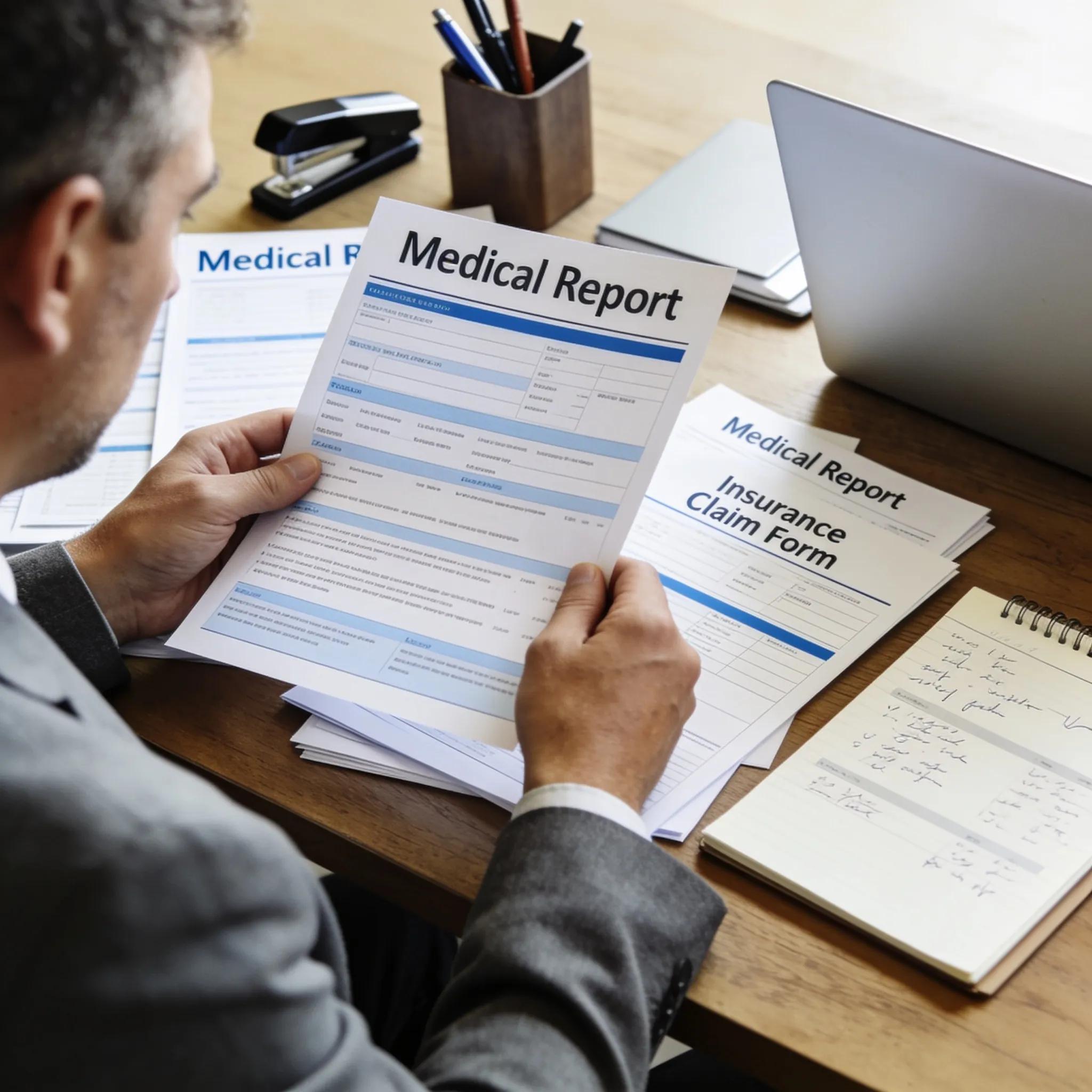
During the claim investigation phase, the insurance company will assess details surrounding the accident. They may request access to medical records and other relevant documentation. Typically, the insurer’s timelines vary based on the complexity of the case, but be aware that delays can occur if substantial evidence needs to be evaluated. Understanding their role will help you avoid common pitfalls, such as settling for less than your case is worth due to pressure.
What rights do claimants and defendants have in the early lawsuit phases?
In the early stages, it’s essential to recognize that both claimants and defendants have specific rights laid out by law. Claimants generally have the right to fair compensation and to file a lawsuit if negotiations do not yield satisfactory results. Conversely, defendants have the right to challenge the claims and defend their position in court. Awareness of these rights can empower both parties during negotiations and potential litigation.
What happens during the pre-litigation and discovery phases of a personal injury case?
The pre-litigation and discovery phases are pivotal in shaping the trajectory of a personal injury case. During these stages, both parties gather information and evidence to build their respective arguments. A thorough understanding of this process can illuminate what to anticipate and how each step affects the overall case.
How does the discovery phase progress and what legal actions are involved?
The discovery phase typically involves both parties exchanging documents, taking depositions, and gathering evidence to bolster their claims. Legal motions may also arise during this period to contest certain pieces of evidence or request related information. This phase is critical for clarifying facts and solidifying positions before any potential trial.
What role does mediation play before settlement or trial?

Mediation can serve as an essential tool prior to proceeding to trial, offering a structured avenue for negotiation. In mediation, a neutral mediator facilitates discussions between both parties aimed at arriving at a mutually acceptable resolution. This process can potentially save both time and resources compared to a drawn-out trial, making it an attractive option for many personal injury cases.
What are the key differences between settlement negotiations and going to trial?
Understanding whether to pursue a settlement or go to trial can significantly impact the outcome of a case. Each approach possesses its advantages and challenges, and being informed is key to making the right decision for your situation.
How do settlement discussions typically proceed in personal injury cases?
Settlement negotiations typically involve discussions where both parties seek to arrive at a fair compensation amount without going to trial. These discussions can happen at any point after filing a claim and may include back-and-forth offers and counter-offers. It’s vital for claimants to remain realistic about expectations while also ensuring that their needs are met.
What to expect during a trial if settlement is not reached?
Should the case proceed to trial, one can expect the process to unfold systematically. Cases are typically presented before a judge or jury, where both sides lay out their arguments, provide evidence, and present witnesses. The outcome may take time to arrive at, with verdicts based on the evidence presented and the legal standards applicable, potentially involving lengthy deliberations depending on the case’s complexity.
What occurs after trial and how is the personal injury case formally closed?
After the trial, several steps are necessary to bring a personal injury case to a conclusion. These processes may vary significantly depending on the outcome of the trial and any subsequent legal actions.
How are awards enforced and what are post-trial legal remedies?
If a party is awarded damages, enforcement may involve seeking to collect the stated amount, which can sometimes lead to additional legal action if payment is not forthcoming. Post-trial remedies may also include motions for a new trial or appeals on grounds of legal errors during the trial process.
How long does the entire personal injury case timeline usually take?
The duration of a personal injury case can vary widely based on several factors, including the complexity of the case, the willingness of both parties to negotiate, and the court’s schedule. Many cases settle within a few months to a year, while litigated cases may take longer, often stretching to several years. Understanding this timeline is essential for managing expectations throughout the process.