

How to File Police Misconduct Complaints in Florida
By Charles Injury Law Editorial Team · Updated 2026-08-14
Florida police misconduct victims file complaints directly with the involved officer’s law enforcement agency or through the Florida Department of Law Enforcement’s External Agency Complaints portal. Emergencies require dialing 911 immediately. Charles Injury Law, serving Fort Lauderdale and Broward County, advises documenting injuries, witnesses, and evidence promptly, then consulting an attorney to protect civil rights claims and pursue compensation.
Key Takeaways
- File complaints through your local police department’s official complaint process or the Florida Department of Law Enforcement.
- Contact the Public Integrity Unit or External Agency Complaint division for allegations against law enforcement officers.
- Submit complaints using the designated complaint form specific to your jurisdiction or agency involved.
- Report life-threatening emergencies or immediate safety concerns directly to FDLE or call emergency services immediately.
What Should You Prepare Before Filing a Complaint?
Preparation determines whether a misconduct complaint holds up under scrutiny. Florida residents confronting police misconduct need readiness in three areas before submitting anything: safety response, documentation, and evidence organization.
Is There an Emergency Happening Right Now?
Danger changes the first move entirely. Victims facing an active threat or life-threatening situation must dial 911 immediately instead of drafting a written complaint. Local law enforcement authorities across Florida field emergency calls around the clock, and personal safety always outranks paperwork.
Once safety is secured, documentation becomes the priority. Charles Injury Law, located in Plantation, Florida, United States, advises victims statewide on building a case file before anyone moves to file police misconduct complaint paperwork. Agencies and their insurers defend misconduct allegations aggressively, so thin documentation rarely survives review.
Victims preparing to submit a complaint should gather:
- Photographs of visible injuries, property damage, or the incident scene
- Names and contact information for every witness present
- Complete medical records tied to the encounter
- Badge numbers, patrol car numbers, or officer names, if known
- A written timeline, recorded while memory stays sharp
What Records Matter Most for Excessive Force Claims?
Medical records carry the heaviest weight in these disputes. Documentation showing the timing, severity, and treatment of injuries supports how to report excessive force allegations far better than recollection alone, months after the fact.
What Are the Steps to File a Complaint?
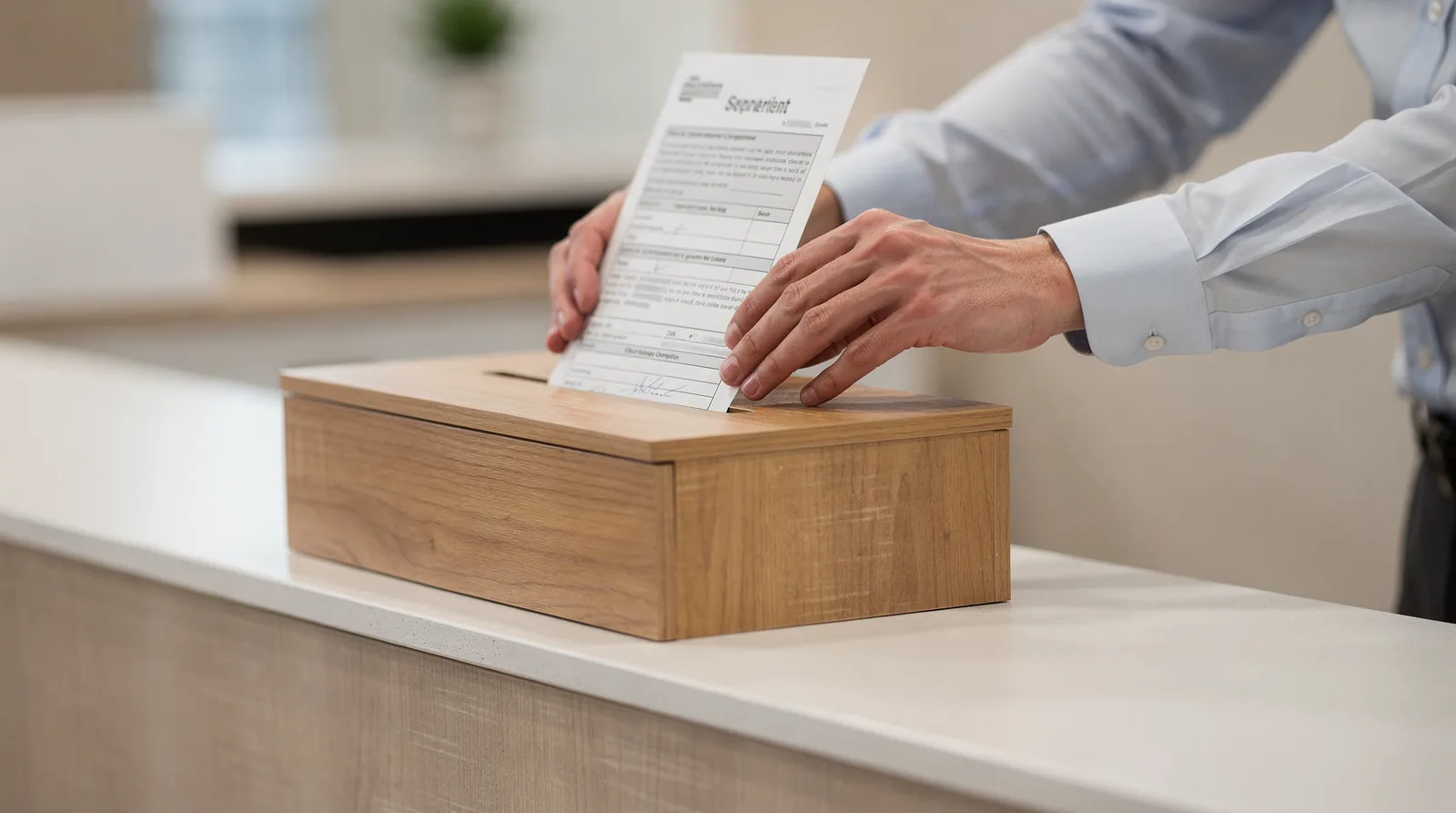
Florida law grants every resident the right to report misconduct by a police officer, whether the person witnessed the incident or experienced it directly. This protection applies broadly across Florida’s police departments and sheriff’s offices, not just to a single agency. Victims who understand the proper police complaint steps protect their legal rights far more effectively than those who wait or stay silent.
Filing a formal report requires a defined sequence. Follow these steps in order:
- Document the incident immediately. Write down names, badge numbers, dates, and locations before memory fades.
- Contact the officer’s direct supervisor. This initial step often starts the resolution process at the department level.
- Wait for supervisor outreach. The supervisor typically follows up in an attempt to resolve the matter informally.
- Escalate to Internal Affairs when necessary. Filing a formal citizen complaint form, in person or online, becomes essential when the matter involves force or remains unresolved.
How does someone file a police misconduct complaint in Florida?
Florida residents seeking to file a police misconduct complaint should start with the involved officer’s chain of command before escalating further. Most departments accept written complaints in person or through an online submission portal. Keeping copies of every document filed preserves a clear record for future legal action.
How to report excessive force after the fact?
Reporting excessive force starts with the same supervisor contact. The complaint should specifically detail the level of force used and any resulting injuries. Medical records and photographs strengthen the account significantly. Once the agency complaint is on file, consulting an attorney committed to holding negligent parties accountable helps victims pursue the maximum compensation available through a separate civil claim.

What Mistakes Could Undermine Your Misconduct Claim?
Several avoidable errors weaken a misconduct case before it ever reaches a Florida courtroom. Waiting to consult an attorney ranks among the costliest choices a victim can make, and delay often means lost evidence. Charles Injury Law prepares every case for trial and fights for maximum compensation for clients across Fort Lauderdale. Broward County, a commitment that starts the moment a victim calls.
Common missteps include:
- Delaying legal consultation after an incident, which allows witness memories and video footage to disappear.
- Accepting a quick settlement instead of pursuing damages aggressively; experienced Florida injury lawyers pursue negligent parties and their insurers to recover full compensation.
- Assuming liability is obvious when victims try to file a police misconduct complaint alone, without confirming which agency or officer bears responsibility.
Does Hiring a Lawyer Change How to Report Excessive Force?
Yes. Knowing how to report excessive force correctly, and following proper police complaint steps, protects a victim’s legal claim while an attorney builds the case for compensation simultaneously.
Filing a police misconduct complaint in Florida demands persistence and clarity—your voice matters in holding law enforcement accountable. Whether you pursue administrative channels, civil litigation, or criminal remedies, documenting every detail strengthens your case. The system exists to protect your rights when officers abuse their authority. If you’ve suffered injury or injustice at the hands of law enforcement, aggressive legal advocacy transforms your complaint into meaningful compensation and systemic accountability.
FAQ
Where do you file a police misconduct complaint in Florida?
File directly with the involved officer’s law enforcement agency or through the Florida Department of Law Enforcement’s External Agency Complaints portal. Use the designated complaint form specific to your jurisdiction or the agency involved.
What should you do if you’re facing an active emergency?
Dial 911 immediately instead of drafting a written complaint. Personal safety always outranks paperwork, and local law enforcement authorities across Florida field emergency calls around the clock.
What evidence should you gather before filing a complaint?
Gather photographs of injuries or damage, witness names and contact information, complete medical records, badge or patrol car numbers, and a written timeline recorded while memory stays sharp. Medical records carry the heaviest weight for excessive force claims.
Facts
- Charles Injury Law is located in Plantation, Florida, United States.